
標籤:ecommerce

返回基石觀點

  • Blog ecommerce logistics

    The Evolution of E-commerce Logistics Startups
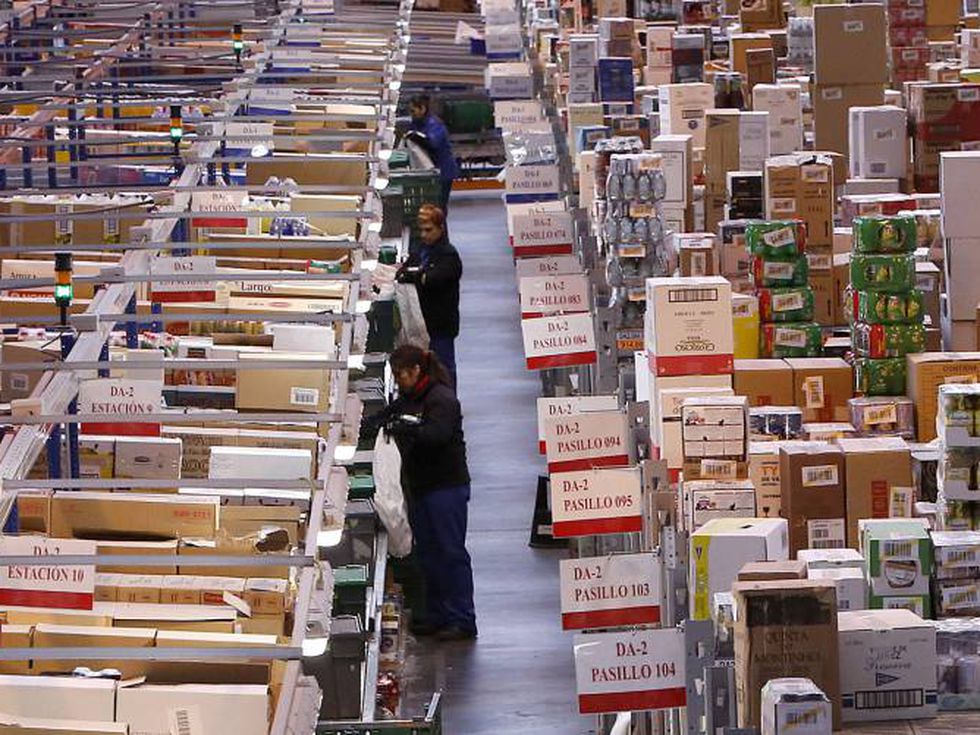
    Samuel is an Indonesian economics graduate from National Taiwan University, fluent in Chinese, Japanese and Indonesian. He previously worked for Taiwanese financial institutions, and has experience in corporate strategy and banking. E-commerce marketplaces heralded a new retail era Changing consumer preferences in the past few years have resulted in a global e-commerce (EC) boom all over the world. The increasing ubiquity of smartphones, the maturing of other supporting infrastructures (higher internet penetration, digitalization of payments, better software applications), and the evangelization of excellent customer service led by EC platforms like Zappos and/or Amazon have all contributed to this shift, with consumers finding EC an increasingly convenient retail option. EC started out as an informal means to facilitate transactions over the internet, be it through the simple dissemination of information (that a CD is for sale) or becoming a channel of sales (buyer buys the CD and pays for it remotely). As the number of internet users grew, they brought their activities online, including informal attempts to sell their services or second-hand goods. This resulted in communities in creating their own specialized forums or websites, such as Craigslist in the US, PTT in Taiwan, FJB in Indonesia. Eventually, more specialized C2C websites like eBay and Yahoo! Auctions came along. At the time, most C2C websites mainly just matched buyers and sellers, becoming a trusted middleman between the transactions. Some sellers, recognizing the possibility of using the internet as a new sales channel, tried to create their own brands and professionalize their operations. A prime example is Spanx, which was founded in 2000 and bootstrapped their own growth until they were recently bought out by Blackstone at a valuation of $1.2B. Even after the dot-com bubble popped, e-commerce never really stopped growing, and by the 2010s, they were hitting their stride. US EC sales data from Census.gov China EC GMV data from Statista EC merchants look to wean off dependence on marketplaces (… or just Amazon) Thanks to marketplaces like eBay or Amazon, consumers were able to gradually become accustomed to online shopping, but we’ve already seen a shift in the online world as EC operators look to take back ownership of their own audience in face of the dominant marketplace Amazon banning merchants, competing against them, and blatantly copying products, resulting in this rather humorous video. So far, we’ve seen the results of the shift as recent D2C public companies Allbirds and Figs, collectively generating annual revenue of almost $500M are built on Shopify. Recent global ultra-fast fashion phenomenon Shein and other successful brands like ASOS and Peloton run on their own customized platform. 2PM DTC power list from 7 Nov 2021 In fact: for the first time ever in its history, Amazon lost market share of U.S. eCommerce, while Shopify more than doubled in its share in 2020. However, the shift to independent websites like Shopify comes with a caveat: these merchants now have to figure out how to run their own website on their own. There’s a lot of categories to cover, but in this post, we’ll focus on EC logistics and order fulfillment. Merchants’ manual work behind e-commerce logistics The key to e-commerce is essentially to replicate the experience of shopping offline into your home. When you shop offline, you can look at products with your own eyes, pay for a product, and then you go home with the product at hand. But when you shop online, you’d have to wait for the product to ship to you. The seller would then react to your demand, and begin the process to pick your orders and pack it accordingly. Essentially, the sellers are responsible for the fulfillment of the last-mile segment of the whole delivery process. A seller with limited SKUs and volumes can do this process manually pretty well. They might track their inventory in excel or pen & paper, then pick and pack the order. However, when it comes to delivery, they have to manually arrange pick-up or drop it off to the buyer’s preferred logistics service providers. These logistics service providers tended to be traditional carriers like post offices or private services like UPS or FedEx. But before the booming EC demand forced them to digitalize, merchants needed to manually call for pick-up and even for package status updates. If a merchant needs to send out 1,000 packages through 10 different vendors to 50 different countries, the manual work they’d need to do would be soul-crushing. Imagine the back-and-forth calls that you’d need to do if the “Other Carriers” box is divided into 10 more separate boxes 1st generation startups: Logistics API aggregators The 2010s started to kickoff the revolution in EC, digitalizing the traditional carriers, thus giving rise to the 1st generation of EC logistics startups in the early 2010s (2011~2014). As a side note, Indonesia’s Shipper came in a bit later in 2016, mainly because the digitalization of carriers in Indonesia came a bit later. They were aggregating modern domestic last-mile courier services that were only just founded just a few years before. For example: GoSend (founded 2010, launched app in 2015)Grab Express (started in 2015)J&T Express (founded 2015)SiCepat Express (founded 2014) Bridging the gap between merchants and carriers Logistics itself is basically the act of moving things from point A to point B. It’s a rather commoditized service where the only way to stand out is by offering exceptional experience through superior service and pricing. What happens when there are many vendors in a competitive industry providing commoditized services? Eventually some people will come in as a trusted middleman, giving customers a better way to compare the services and a single point of contact to manage different vendors. This dynamic is not unlike price comparison websites for financial products. These logistics API aggregators are purely software-based; they aggregate the need to interface with 10 or more different carriers into a single point of contact. Merchants who use them usually already have their own warehouse setup, or not big enough to the point where they even need a proper warehouse. Merchants can now arrange pick-up, track packages, and more importantly, automatically integrate the shippers’ data to their overall system, saving a lot of manual labor hours. Aftership’s website lists a whopping number of 899 carrier integrations! The aggregators not only aggregate supply for a lot of merchants, they’re also aggregating shipping demand for the carriers. From the carriers’ point of view, it’s much more cost-efficient to service a single point of contact rather than 1,000 different merchants, and the cost savings from not having to hire even more customer service people can be partially passed down in form of discounted volume pricing. Shippo explains why they’re able to offer discounts for USPS packages: The USPS shipping discounts offered by the Shippo service is a volume-based discount based on all aggregated packages being shipped through the Shippo service. This means that all users using Shippo will instantly get higher discounts than what they would qualify for individually. Our USPS shipping discount is USPS Commercial Plus Pricing. 2nd generation startups: EC fulfillment startups With increasing digitalization across the vertical, the next generation of startups (founded 2013~2017) decided to take it a step further. They help merchants by taking charge of the whole fulfillment process through handling the packages in their own self-operated and/or 3rd party warehouses. These startups aim to become a solution for merchant to outsource their fulfillment, in the same way that Amazon offers its FBA fulfillment services to third-party merchants on their marketplace. Compared to traditional warehouses, they usually have more sophisticated technology, meaning that they’d be able to provide better service to merchants by tracking packages more accurately, utilizing space more efficiently, etc. Being more tech-enabled also means that they are also able to directly connect with carriers, potentially creating a full end-to-end experience for merchants. Merchants who use them are mainly merchants who either don’t have their own warehouse, or look to switch to a one-stop service for fulfillment. However, fulfillment startups tend to be more expensive than just using traditional warehouses and logistics API. Logistics aggregators & fulfillment: more friends than enemies Despite the fact that fulfillment startups are able to just directly connect with carriers to supplant the aggregators, most of them still integrate with the aggregators. Deliverr actually only rely on Shippo to provide carrier integrations, and Shipbob only directly integrates with the major carriers (DHL, FedEx, UPS, USPS), and work with aggregators to integrate with the rest of the carriers. Shipbob’s shipping integrations Deliverr put the reason succinctly: Thanks to our Shippo integration, we are now able to connect with each shipping carrier through a single API. We use this to pull different rates, service levels, and appropriate shipping labels for each item. This results in optimized costs and speed for both Deliverr and the merchants that work with us.We no longer need to manually pull data from various different sources to select the best rates and fastest options or maintain a shipping backend with their own engineering team. This has freed up our time to better develop our own intelligent placement algorithm to speed up our fulfillment times even further. In the same way that cloud computing highly accelerates SaaS companies by centralizing servers, Shippo enables fulfillment companies like Deliverr or Cahoot to complete their end-to-end service in a much shorter time, while not having to deal with the organizational costs to maintain their carrier integrations. However, being in the middle means that they can get squeezed between the carriers (who increasingly look to directly own the merchants’ relationship) and new EC fulfillment startups (who are better positioned to serve merchants’ physical goods). How can logistics API aggregators stay relevant? They were the first mover in the space, seeing the opportunity to commoditize the offerings of different carriers. However, they’re only an information connector between carriers and merchants to transport physical goods. There’s a few strategies for them to keep being relevant in this market: Go all-in with integrationsBy integrating further, they can be the backbone of logistics-related APIs, essentially doing the dirty work for others (including EC fulfillment startups).Although fulfillment startups can indeed work with major carriers (low-hanging fruits), aggregators can and should focus on other carriers, especially niche carriers who are very strong in specific markets (e.g. SF Express in Greater China, Ninja Van in Southeast Asia).Keep delivering value proposition to merchantsAs mentioned before, merchants who aren’t looking for a complete fulfillment solution might still be in the market for a logistics API aggregator, especially at a lower price point compared to a fulfillment startup.As a startup’s product matures with more and more features, their product usually also tend to get more bloated. It’s important to really keep their own core competence in mind. For example, even if a new logistics automation feature gets rolled out, it still doesn’t change the fact that merchants mainly pay for the API aggregation.Move towards developing another function to serve core customers, expanding your market in the processLet’s say you’re an aggregator, and you have a very early upcoming D2C brand as one of your users (think Allbirds). When they grow rapidly, they’ll start to have different customizations and different needs including warehouse, inventory, or order management. Illustration  If you sense that most of your rapidly growing user base has a need for inventory management, it might be worth considering. That said, this needs a very thorough consideration since startups have limited resources and can usually focus on one or two things at most. Some problems that might come up when you go this route: allocating resource in different product lines, refreshing your marketing angle and product positioning, training and adjusting your sales to sell new products, etc. Conclusion The shift in EC structure has definitely created a whole new space for EC enablement tools with a wide array of startups competing in the arena. Each function has different core requirements, and the core of logistics is indeed the relocation of physical goods from point A to B. Every tool in this function is serving that objective, be it through software (API aggregators) or a mix of hardware and software (fulfillment). Since logistics deals with physical limitations, software solutions might not fully solve the inherent problems on the ground. Thus, you can see some startups actually jumping in and using better technology to perform better than incumbents. We’ve seen time and time again in different areas of logistics where this is the case: Warehouses: EC fulfillment startups (e.g. Shipbob, Deliverr)Freight forwarding: digital freight forwarders (e.g. Flexport, Forto)Parcel/express service: private postal services (e.g. Sendle, J&T Express)Reverse/return logistics: reverse EC fulfillment startups (e.g. Return Helper, ZigZag Global) That said, the hardest part about logistics is the execution. Without the attention put into details, any strategic initiative would fall apart at its seams!

  • Blog ecommerce S1 wish

    美版拼多多?Wish 的商業模式到底能不能長久 ?

    作者:Sylvia Sylvia 是現在基石的實習生,就讀於臺大。在新創公司待過後,對新創生態及創業財務產生興趣, 並想學習從投資人眼光看事情。喜歡閱讀、旅遊、嘗試新事物。 今年 11月,美國最大的行動電商平台 Wish 遞交了上市申請書,而在美國市場被眾多產業龍頭強佔下, 2010 年成立的 Wish 能創造 17.5 億美元營收、成為破百億估值的獨角獸,其上市消息自然讓許多投資人興致勃勃。但財報一公布,即使今年開出漂亮的營收成長,仍遭來質疑的聲浪,也讓人好奇: Wish 這樣獨特的商業模式到底是不是 sustainable、能不能獲利? For those who don’t know Wish… 要談 Wish 得先了解它的商業模式,這邊快速介紹其與 Amazon、Walmart 等龍頭電商最大的兩個差異:價格與淡化搜尋功能。 同樣做為跨境電商,Wish 主要瞄準中國 (90%) 與東南亞國家賣家,將其推薦給歐美消費者,同時商家入駐不收取平台費、刊登費、押金及推廣費,中間省去的店鋪營運及行銷成本給予產品毛利空間,讓賣家能提供更具競爭力的價格。而這邊 Wish 能不收取推廣費主要源於其「淡化搜尋功能」的策略,Wish 以推薦演算法起家,其頁面如 Pinterest 一般呈現符合用戶偏好的大量商品圖片,再以超低價或折扣激起消費者的購物慾望;反面而言,單個「商品」只要符合消費者習慣就會被定向推送。如此淡化品牌、商城經營的複雜度與重要性,吸引許多中小賣家或原廠加入平台,而 Wish 同時希望以精準推薦、低價養成用戶即使沒有特定購物需求、也會上平台逛逛撿便宜的高黏著度。 從數字來看,Wish 已做到 95% 推薦與用戶相關,平台有 70% 的銷售沒有透過搜尋,且有超過一億月活躍用戶,顯示其以「關聯推薦」為 driving power 的策略執行上十分成功。 財報數字面解析 先從整體營收面來看,Wish 營收從 2015 年 1.4 億美元來到 2019 年 19 億美元,2020 前三季則達到 17 億美元。在成長上,Wish 在 2015-2018 年經歷高速成長期,營收保持 1-2 倍成長,主要因為其砸下超過九成營收的金額在 Facebook、Google 搜尋引擎等行銷支出上。2019 年的增長明顯趨緩,Wish 在 S-1 中說明因為該年重心為發展物流,但不難推測中美關係緊張、行銷支出下降等也是影響此趨勢的重要因素。而 2020 年前三季雖較去年同期增長 32%,但同樣在疫情之下,龍頭電商 Amazon、Walmart、Target 皆增長過 50%,顯示 Wish 的成長可能來自疫情下消費者仰賴電商程度增加,為大環境所趨。 再從 Wish 的營收結構拆解,2020 年,Wish 的營收約 73.8% 來自 core marketplace revenue (主要為不同程度的交易抽成)、8.2% 來自廣告產品 ProductBoost 的收入 (類似於廣告費、推廣費)與 18% 來自物流平台服務,我們就從此三個層面來看: 1. 在 core marketplace revenue 上,可以看到自 2018 年後成長逐漸趨緩,在 2019 年則呈現負成長,2020 前三季雖較 2019 提升,但以同樣比例推算也僅能達到 2018 年表現或略佳。此部分營收來自交易抽成,在 Wish 維持 15% 手續費的情況下,其趨勢大致能說明 GMV 的變動。再探討 GMV 的幾個變動因素,從下圖用戶數上可以看出,Wish 的月活躍用戶數雖然穩定成長,但活躍買家數 (過去十二月至少交易一次)在 2018 年後成長幾乎持平,顯示部分舊客流失或無法吸引新客轉換,而每個買家的消費金額則逐年增長,應是營收的成長來源,但到第二年以後增加皆趨緩。吸引新客消費與舊客回購誘因是否充足,是 Wish 能否維持電商核心業務成長的關鍵。             (左圖:月活躍用戶數&過去十二個月至少完成一次下單的活躍買家數。右圖:從各 cohort 活躍買家平均獲利。) 2. Productboost 是 Wish 在 2018 年推出的廣告服務,商家購買後產品將被置於更前面的排序或位置,而在此前 Wish 是主打不收此類「第三方商家服務費」,並完全依據產品的性價比、用戶偏好做推薦。此部分營收在 2018-2019 年有所增長,而今年可能因為受疫情影響,商家投廣告的預算降低,廣告收入顯著下降,但並未顯著影響到營收,顯示 Wish 還未倚賴此部分業務。目前約有 30% 商家使用此服務,疫情過後可預期此比例會上升,但開起廣告業務似乎是 Wish 營收趨緩下不得不另闢的 revenue source 的舉動。前面有提到 Wish 專攻以推薦取代搜尋、主要吸引工廠或中小賣家以壓低價格,而開始收取流量費後可能會增加競爭,排擠無力負擔廣告的賣家,並影響用戶端的推送內容,此將改變 Wish 的平台定位,而存活下來的賣家若把多出的成本反映在價錢上,也可能削弱 Wish 的價格優勢與目標客群的消費意願。因此,Wish 對廣告業務的比例必須有所拿捏,未來若有此部分的成長也不一定為健康的徵兆。 3. Logistics 的收入來自 2018 年後 Wish 陸續推出的物流計畫,商家可透過與 Wish 合作的第三方物流、倉儲公司完成海外配送,而 Wish 也以更高的曝光機會鼓勵商家採用。此部分收入從 2018 推出後到 2020 年有顯著增長 (2020 年前三季增長 361%),是最大的 revenue growth contributor,占營收比例也增長到近兩成。但值得得注意的是,截至 2020 年 Wish 已有 90% 的產品已透過其物流平台配送,短期內成長將來自商家升級其採用的物流方案(如今年七月 Wish 在美國大舉推廣 A+ program,提供商家全套且更便宜的物流服務),但長期而言物流收入將會開始隨 core marketplace 的表現波動,同時將物流服務對平台外的賣家開放亦可能是 Wish 發展潛力之一。然而跨境物流涉及到國際關係、政策與法規變動,皆可能在成本上限制 Wish 的物流業務獲利。 再來討論成本面,以下為 Wish 主要成本項目: 最值得注意的是 Wish 的營收在 2020 加快成長,但虧損程度卻增加,比較與 2020 前三季 core marketplace 營收相近的 2018 年,可以發現變化主要來自銷貨成本 (cost of revenue)。Wish 提及成本增加主要來自物流業務擴大,考慮到物流同樣帶來可觀的營收成長,我們另外計算各類別 contribution margin 如下: 可以看出物流業務成長的同時,為 Wish 帶來的虧損也逐漸擴大,而其在 risk factor 的論述中也提到跨境物流的政策變動讓影響更深。這邊政策是指過去聯合國推出的 Universal Postal Union Treaty,要求美國等已開發國家提供開發中國家(含中國)跨境物流的優惠,但川普在 2018 年要求降低折扣,而新規定於今年七月實行後,同樣重量的包裹運送需要近兩倍價格。雖然發展物流能讓 Wish 更有效掌握商品配送時長,但未來是否能止損、法規是否再變動都是未知數,解決跨境物流風險是 Wish 未來獲利前的一大考驗。 再看到營運成本結構,Wish 近九成的營運支出在行銷 (Sales & Marketing) 上。為了與巨頭競爭,Wish 截至目前已花費十億美元行銷費用在 Facebook 廣告、Google 搜尋引擎、線下活動與其他社群媒體管道。但在 2015 年規模化後,Wish 獲客與提升銷售的效率是否增加?Wish 沒有直接公布獲客成本,但提供每一年用戶 Lifetime value (LTV) 的成長圖,並說明「2016 年之後的 cohort 皆在兩年內達到 payback」。若假設皆在第 1-2 年內達成,可以推算出獲取買家成本 (buyer acquisition cost,BAC) 的範圍如下: 從圖中能看出顧客的 LTV 有逐年增長,不同 cohort 的顧客首年均消費金額有提升,但是單年獲得買家成本是逐年增高的(右上圖)。再看買家數量變化與獲利分配如下: (LTM: Last twelve months) Wish 沒有公布精確的留存率,但若假設單個新用戶與舊用戶該年消費金額相同,可以看到 2017 年 52 x 57% = 29.64 (m) 與 2016 年買家數大致相符,但 2020 年 68 x 69% = 46.92 (m) 明顯小於去年已擁有的買家數,因此「舊買家流失」可能是 Wish 的一大痛點。雖然從 contribution margin 來看,core marketplace 的虧損逐漸改善,應是新買家首年貢獻提高或整體消費頻率增加,但若無法提高留存率,長期而言仍需仰賴廣告帶來新客以維持成長,如此可能限制未來獲利。Wish 目前行銷支出有 96% 用於獲取新客的廣告,而從下圖與其他電商平台的比較能看出, Wish 的行銷費用佔整體營收比例明顯高出甚多,再度證明其對新客消費的依賴。 看完財務面,我們可以從 quality 的角度來討論,Wish 的商業模式到底能不能長久?這邊提供三個切入點思考: 對 S&M 的依賴顯示平台本身拉力尚不足: Wish 發展初期是靠社交平台 Facebook 廣告帶來流量,而從前面行銷支出占比能看出平台目前仍靠大量廣告、關鍵字排名支撐,Similar Web (網站流量統計與分析網站) 的數據也顯示 Wish 的流量超過五成來自付費關鍵字與導購。這可能是與傳統電商龍頭競爭下搶攻顧客心佔率的必要手段,但綜合活躍買家數下降、網路評論、S-1 中提到的假貨與用戶觀感風險,可以推測許多用戶對 Wish 的等待時間、產品品質、假貨問題等不甚滿意,因而缺乏主動上平台消費、回購的意願。Wish 表示未來數年仍會持續投資於行銷,但在成功獲取新客後,是否能發展更多折扣、回購優惠吸引顧客回流,或透過掌握物流、控管賣家品質等手法在本質上優化購物體驗,防止舊客流失,是成長期後必須解決的核心問題,我們也能從未來買家數變化趨勢得到答案。 跨境物流問題仍持續是 Wish 的考驗: Wish 為了減輕政策變動的損失與配送時長問題,在物流平台上推出不同程度的物流計畫,也在 2018 年推出 Wish Express,透過要求商家預先寄送到海外倉庫或加入其物流計畫,確保商品在五日內送達用戶,作為 Amazon Prime、Walmart 2-day delivery 的對標。雖然 S-1 中提到加入 Wish Express 的商品銷量有顯著增長,一定程度解決消費者對等待時長的疑慮,但從虧損擴大可以看出政策變動或其他因素增加的成本目前仍無法被有效稀釋。Wish 宣稱將持續與世界各地物流串接、也可能對非平台商家開放服務,並投入研發新的物流科技,但歐美對跨境物流的費率與要求似乎變化更快,Wish 對此的掌握能力是能否持續擴大的關鍵。 Wish Local 讓雙邊互利並為線下發展舖路: 當 Amazon 近年積極布局線下通路時,Wish 也在 2019 年推出 Wish Local,與歐美實體商家合作協助其上線商品,同時以其作為用戶取貨點。對 Wish 而言,在地商家進駐除了分散中國賣家的風險,也提供其他產品倉儲與配送,降低 last mile delivery 成本; 對商家而言,加入 Wish Local 能得到線上曝光,同時為實體店鋪帶來人流。從推出一年便有五萬商家參與來看,此互利模式目前執行得十分成功,未來有望成為 Wish 成本控制的一大助力,同時為其線下發展鋪路。 總結而言,Wish 崛起的關鍵,在於其瞄準被龍頭忽略的歐美下沉市場,並建起中國廣大中小商家與歐美底層消費者中間的橋樑。但從其對行銷的仰賴可見消費者並非全盤買單,跨境物流的風險也都可能影響 Wish 獲利。Wish 模式是否能夠持續風行且獲利,端看其未來數年是否能增加用戶黏著與政策走向,並善加擴大 Wish Local 的優勢,而其他龍頭電商的表現與行動也將是需參考的指標。

  • 行銷 4.0:MarTech 的發展與瓶頸

    作者:Winnie Winnie 是現在基石的 Intern,目前就讀政大四年級。曾經在科技業、金融業探索,對於數位經濟以及新創生態感到好奇,意外開啟畢業前的新旅程。 前言:《螢幕陷阱》一書中提及「注意力是 21 世紀最稀缺且最有價值的資源」,身為數位原生 (Digital natives) 世代一員,面對每天迭代頻繁近乎過載的資訊量,對此論述再同意不過了。這次分享的主題—行銷科技 (MarTech),是指協助企業克服行銷受眾注意力稀缺的相關科技,欲藉此篇文章梳理其產生的背景、價值與瓶頸。 What is MarTech? 借助科技、敏捷行銷 首先,從圖一來看,隨時間、環境推演,消費模式改變,行銷概念從一開始主要以產品功能到現在轉為以社群行為與體驗為核心。同時,企業的曝光管道、銷售方式多了,也代表消費者擁有更多的選擇。 圖一 行銷概念演進 圖片來源:行銷客 https://inboundnow.org/topics/450/xing-xiao-4 基於以上,廣撒的行銷手法效率不彰,除了時間成本之外,不夠針對性的品牌型廣告無法博得關注,自然也不太可能有轉換率。(這裡可以回顧 Brandon 寫過的品牌型廣告與成效型廣告。) 於是,當企業品牌想在消費者心中建立一席之地,所需要的行銷工具要更快速反應消費者需求、更精準,以更加個人化的內容在短暫的注意力上打中 TA。 MarTech 所扮演的角色,主要就是促成上述以提升行銷效率。 圖二 Narrow View and Grand View of MarTech 圖片來源: https://chiefmartec.com/2017/08/marketing-technology-management-hype-martech/ MarTech 相關的定義與想法很大部分源自 Scott Brinker,上圖二是出自他在 2017 年的文章,其中廣義的看法也像是對於趨勢的理解,「Marketing、Technology、Management」三者的發展突破彼此界線。 這與敏捷行銷 (Agile Marketing) 的概念也有很大的關聯性。敏捷思維原先是針對軟體開發的項目管理框架,有別於傳統 Waterfall 式的大型完善計畫好的開發專案,以小目標、短時間的反覆驗證學習、強調 Data-driven、快速調整的能力,來優化流程以達到設定的目標,同理加以應用在行銷的方式上。總歸企業希望藉由 MarTech 工具,達成數據上的分析與運用、流程自動化、執行敏捷行銷方案等等,幫品牌找到它的消費者、獲得銷售轉換率,並且持續掌握消費者行為與回饋。 社群關係與商業銷售的發展值得關注 從 MarTech Landscape 的統計中,會看到 2011 前後陸陸續續有相關的企業,但真正的大量竄起是從 2015 到 2020 年間 (從 1,876 成長到 8,000 家,而且此統計肯定是比實際的數字還低)。被劃分為六個領域,稍微簡述: 一、Advertising and Promotion 廣告與推廣:關於如何把銷售訊息散佈出去的方式,子類別有 PR 以及各種廣告相關領域如數位、程序化、原生、影片、社群廣告等等,科技在其中扮演的角色是更好的分群分眾,進行推廣,並帶往下一步的消費流程。二、Content and Experience 內容與體驗:廣告傳輸到消費者前,很重要的部份就是內容,因此被獨立出一個領域,專注在圖文、信件、個人化訊息或是官方網站體驗與 SEO 優化等。我認為這些主要都是人為可以達成,但十分耗時,因此 MarTech 主要是在效率上能有所發揮。 三、Social and Relationships 社群關係:基本包含對企業 (如 Account-based marketing、events and webinar) 與一般消費者的各類型關係維護,同時,社群壯大後,各類社群媒體的行銷亦構成獨特生態,後續會接著討論。四、Commerce and Sales 商業銷售:子類別主要有電商、Affiliate、Proximity Marketing、銷售自動化等,提升銷售規模與轉換率是運用 MarTech 最希望達成的價值,後續也會接著討論。五、Data 數據應用:這一類別是支持所有往更上層樓的基礎,成熟的科技公司在發展上有一定程度的優勢。比較熟知的產品例如 Google Analytics、Microsoft PowerBI,包含數據分析、圖式化、雲端整合、資訊合規與隱私保護等主要的子項目。六、Management 管理:與整體流程有高度關係,如產品專案、workflow、財務預算、協做等等面向的管理都在這個範疇內。目前高度討論的趨勢是敏捷式管理的導入 (agile and lean processes),快速優化行銷方面的經驗曲線。  如下右圖像化各分類所在的階段過後可能更易於理解: 圖三 MarTech Landscape 數據/圖片來源:chiefmartech.com、MarTech Tribe https://chiefmartec.com/2020/04/marketing-technology-landscape-2020-martech-5000/、https://martechtribe.com/blog/martech-canvas-commercial-results/ 除了這幾年 Big Data 的大趨勢外,有另外兩個領域我特別想深入介紹,也認為會隨產業的變動而有很大程度面貌上的改變,具有高度的發展空間: 一、社群關係  首先會想討論的原因,包含 1. 最早由 CRM 開啟消費數據的資訊化  2. 社群媒體的快速成長與改變。前者以 SaaS 先驅 Salesforce 為例,建立企業的客戶數據平台,藉以行銷、銷售、客服,也與後來發展的 DMP、CDP 整合。而這些數據基本上是從企業內部生成,用以加強追蹤客戶活動、標籤化或篩選以及透過不同管道關係維護 (如電話、email),可以說是各企業導入行銷科技的開端、促成更多可能。 而社群媒體與其應用上的轉化,造就一段時間大量 Chatbot 相關創業的出現,使數位服務流程、即時回覆、接收反饋等成為廣泛採用的輔助工具。另一方面,社群媒體的參與度越來越高、Network effect 等因素,使社群媒體上的行銷也逐漸有更高的價值。以美國的新創 Buffer 為例,主要以整合 Facebook、Twitter、LinkedIn、Pinterest 等社群為解決方案,搭配其他內容生成工具,朝一條龍的社群行銷自動化發展,在 2019 年 ARR 突破兩千萬美元。也許這樣的成績距離獨角獸還有一段距離,但社群力量越來越大,其發展也會對商業活動造成改變,同時在行銷科技上產生不同需求。 二、商業銷售  此類別中有關於 e-commerce 的前景是最令人期待的。電商除了市場大、對於 2C 的數據量大、處理需求高,行銷轉換銷售的時效性也高,因此從客戶數據分析、行銷對象分群、乃至於物流追蹤的各項行銷科技發展蓬勃。這也和 Shopify 這類的 B2B2C 電商平台非常有關 (今年 Q2 Shopify 的 GMV 高達 $13.4 bn 美元,較去年同期增長 132%。) 有別於 Amazon 壟斷所有賣家在平台上的行銷工具,Shopify 平台開放給所有開發者提供相關工具。而這些開發者可能有更大的願景,舉個例子是 2019 年 8 月 B 輪募資 1,500 萬美元的 Klaviyo,以 Shopify、Magento 的電商 email 行銷起家,整合 Salsforce、Facebook 等軟體,企圖藉由數據一路完成電商從售前到售後的所有服務。當然 Klaviyo 不是唯一,這個市場上的競爭者越來越多,也產生產業上的瓶頸。 技術門檻不是問題、即便找到要解決的問題,精準下藥也有難度 「由於雲端基礎設施的佈建成本越來越低、免費的開源軟體及行銷科技領域源源不絕的新點子與新策略,進入這個行業實際上可說是零門檻。」上述原因使加入的新創數量成長快速,就像每個科技發展週期一樣,會發現最初可能期待過高,過度美化,但在某些使用場景沒有真正發揮效用,最具體就是 .com bubble 時期的狀況。 產業本身的技術價值肯定是有的,但經過百家爭鳴,經歷陣痛期把不合適的產品淘汰,才會收斂出市場上實際發揮高價值的產物。我認為這也是 Casey Winters 在他的文章中提到「多數 MarTech 事業不會非常成功」的原因。(附上 Gartner 2019 年對於數位行銷的技術發展週期定位。) 行銷會牽扯到的的問題有很多,要找到關鍵點已經有一層難度。同時,這個問題導入行銷科技的方式解決,如果不能更省時省力、更精準,那也會使使用者很快放棄產品。像上述很多的創業者選擇特定市場,加入電商的競爭裡,要能快速在銷量上反映有其困難度,也會是創業者面臨收費服務的難處。另一方面,如果面對不同產業、不同流程,同樣的一套解法不一定對症下藥,那麼開發的軟體沒有普遍性化解企業行銷在 IT 困境*,同樣也會面臨失敗。 *這邊可以再參考如上 Casey 的文章也提過,MarTech 比起面對行銷人員,更重要的其實是減輕企業工程師的壓力。 現階段應用雖未成熟,但終會成為日常的一部分 總結以上,MarTech 各類別的發展以及能否突破當前瓶頸還有很多未知,但在數位科技大幅改變我們的行為模式後,趨勢是不斷遞進的,就像社群、電商的崛起已經是不可逆的轉變。我也相信不同類型數據被分析、應用的速度與深度會在未來有更大的進展,如此也會造就內容產生的多元化及消費體驗的優化。於是,行銷、科技與管理的結合會持續成長,不是因為單一技術的大鳴大放,而是找到各應用上的甜蜜點,轉而變成日常的一部分。 

返回頂端